Beneath a Fragile Roof
This article was originally published on Makor Rishon in September 2026.
Beneath a Fragile Roof
Sukkot does not promise that Israel will be safe. It teaches us how to live – and still find joy – when safety cannot be promised.
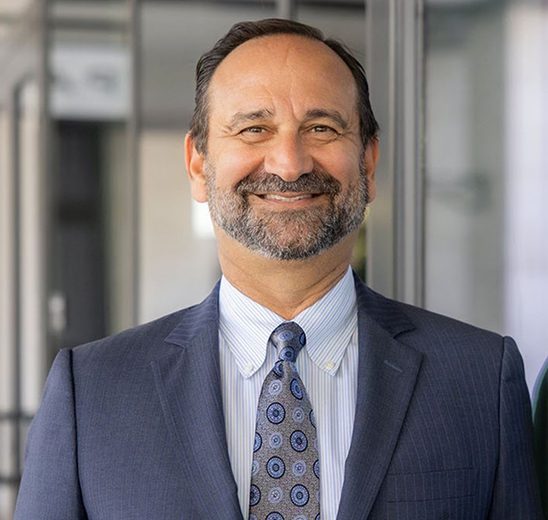
By Michael D. Ehrenstein
Sukkot may be the Jewish holiday Israel needs most right now.
Israel has endured years of war, terrorism, and international hostility. Its citizens have lived through missile attacks, reserve duty, displacement, bereavement, and captivity. The country faces continuing threats from Iran, Hamas and other enemies that openly reject its right to exist. Abroad, condemnation of Israel increasingly spills into hostility toward Jews. At home, Israelis remain divided over politics, leadership, and the country’s future.
Then Sukkot arrives and asks Jews to leave their solid homes and eat beneath a roof made of branches. That seems like a strange response to danger. Israel needs strong borders, secure homes, competent leadership, and a powerful military. A sukkah cannot stop a missile. It cannot defeat Hamas, deter Iran or repair Israel’s international standing.
But the sukkah offers something no missile-defense system can provide. It reminds us why we continue living, building and celebrating even when danger remains.
Rabbi Jonathan Sacks called Sukkot “the festival of insecurity.” For one week, we abandon the illusion of permanent protection. The walls are temporary. The roof must be open to the sky. Wind enters. Rain may fall. Yet Jewish tradition calls Sukkot zeman simchateinu – the season of our joy.
That apparent contradiction contains the holiday’s deepest lesson. As Rabbi Sacks wrote, “Faith is not certainty; faith is the courage to live with uncertainty.” The sukkah does not deny vulnerability. It makes us sit inside it. It teaches that courage is not the belief that nothing bad will happen. Courage is the decision to continue the journey even though something might.
Sukkot is also a harvest festival. That makes it feel familiar to me as an American Jew. Thanksgiving is my favorite American holiday. It brings together family, food and gratitude without requiring much theology. We gather around a table and give thanks for what we have.
Sukkot shares that spirit, but adds a distinctly Jewish complication. At Thanksgiving, gratitude can feel like a response to security and abundance. At Sukkot, we express gratitude beneath a roof that is deliberately insecure. We do not wait for every threat to disappear before giving thanks. We celebrate while the future remains uncertain.
That distinction matters for Israel. Gratitude after danger has passed is natural. Gratitude while danger persists is an act of defiance.
Israelis practice that defiance every day. They marry during war. They have children while their enemies promise destruction. They reopen businesses, return to damaged communities, plant crops and argue fiercely about politics because they assume there will be a country worth arguing over tomorrow. This is not denial. It is the stubborn affirmation of life.
Security protects life. It cannot give life meaning. That meaning comes from what happens inside the walls we build: family, community, faith, argument, hospitality, laughter and the determination to build something that will outlast the present crisis. The promise of Sukkot is not that the roof will never shake. It is that we will not stop living when it does.
This year, Jews will once again sit beneath branches and look through the openings toward the sky. We will eat, sing, welcome guests and give thanks – not because all dangers have disappeared, but because they have not destroyed our capacity for joy.
That is not merely faith. It is courage. And it may be Israel’s and all Jews’ greatest advantage.