Cross-Border Payments, Banking, and U.S. Sanctions
This article was originally published on Funder in March 2026.
Israeli companies often experience their first tangible encounter with U.S. sanctions laws not through a regulator, but through their banking institutions. Accounts are frozen, transfers are rejected, and urgent explanations are demanded. This is no mere theoretical concern; it is a matter of routine practice.
A stark illustration of this is the enforcement action against BNP Paribas, which paid nearly $9 billion in penalties after U.S. authorities determined the bank processed U.S. dollar-denominated transactions involving sanctioned countries through the U.S. financial system. While BNP is a financial institution, the lesson for operating companies is direct: any transaction that “touches” the U.S. banking system can trigger U.S. sanctions jurisdiction, even if the parties are foreign and the company lacked any intent to violate U.S. law.
Israeli technology and defense firms face heightened scrutiny as U.S. sanctions regimes are both expansive and dynamic. Enforcement actions by OFAC (the Office of Foreign Assets Control) consistently underscore that intent is irrelevant; these matters are governed by strict liability. In numerous reported cases involving foreign entities operating in the Middle East, alleged violations stemmed from routine commercial payments processed through U.S. correspondent banks, without adequate screening of counterparties or end-users.
Israeli companies are often surprised to discover that banks are not neutral intermediaries; they are heavily regulated gatekeepers. When documentation is unclear, ownership structures are opaque, or explanations appear inconsistent, banks will invariably protect themselves first. The consequences include frozen funds, delayed payroll, or the collapse of entire transactions. The bottom line is clear: compliance with sanctions and Anti-Money Laundering (AML) laws is not an abstract legal concept; it directly impacts cash flow and operational continuity.
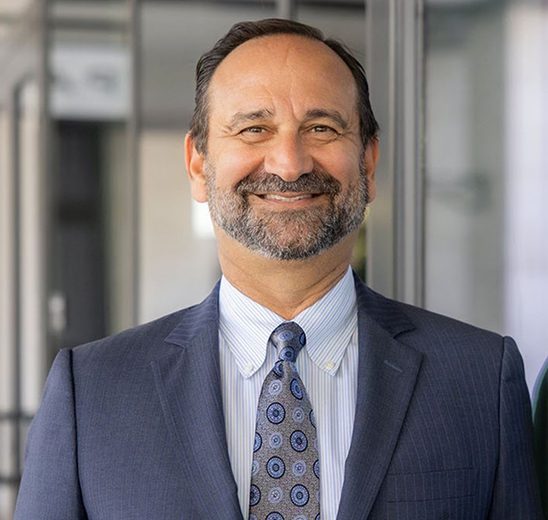
Michael Ehrenstein, Esq. is a founding partner at the U.S. law firm Ehrenstein | Sager, specializing in commercial law, complex litigation, and high-stakes international arbitration.
Legal Disclaimer: This article does not constitute legal or tax advice. Its purpose is to raise awareness regarding U.S. compliance issues. Israeli businesses should consult with qualified U.S. legal and tax professionals to receive advice tailored to their specific operations.