Force Majeure – The Clause Every Company Must Understand
Originally published by Funder, November 2025.
Your contract in the United States may appear secure, but everything can change in an instant. War, labor shortages, emergency regulations, or blocked ports — numerous real threats can suddenly emerge and impact almost any Israeli company. Can you protect yourself, and how? In short, yes. For a more comprehensive answer, we have prepared the following article:
A Force Majeure clause allows the suspension or cancellation of a contractual obligation when a disaster occurs. The clause transforms the contract from a rigid promise to perform into a flexible one. Without it, even an unavoidable delay may lead to costly and protracted lawsuits for breach of contract and damages.
For companies in Israel, Force Majeure is not a theoretical concept, it is a foundation for business survival. After October 7, 2023, many Israeli companies faced mass military reserve call-ups, severe workforce shortages, limited access to border-adjacent sites, and disruptions in transportation. The war forced some businesses to halt shipments or shut down operations entirely. Only a few were protected by strong Force Majeure provisions in their contracts. Many companies discovered that their agreements treated war as “business as usual” in Israel.
The value of a Force Majeure clause in negotiations depends entirely on each party’s position in the transaction. The performing party typically seeks a broad clause that provides meaningful relief or an exit in the case of war, terrorism, supply-chain collapse, or any other factor beyond its control that renders performance impracticable. This concept describes a situation where performance becomes excessively difficult or unreasonably expensive.
Conversely, the receiving party prefers a narrow clause that allows limited extensions and only for predefined, unforeseeable events that render performance impossible — a much higher legal threshold than “difficult” or “expensive”.
It is important to understand that there is no standard wording for a Force Majeure clause. Israeli companies must negotiate carefully and tailor the clause to the parties’ specific needs and to the characteristics of the industry. In some cases, the clause directly affects costs and therefore should be negotiated with the same seriousness as price.
Note that in both Israeli and U.S. law, Force Majeure is complex. Under Israeli law, if a contract between two companies lacks such a clause, courts may apply Section 18 of the Contracts (Remedies) Law, which provides narrow protection when a company is unable to perform due to unforeseen events. Israeli courts frequently rule that war and terrorism are foreseeable, meaning the protection will not always apply.
Under U.S. law, parties may have to rely on the doctrines of impossibility or frustration of purpose, which are complicated and vary significantly from state to state. Even when a Force Majeure clause exists, U.S. courts interpret it narrowly, and only events expressly listed in the contract are recognized. For this reason, the choice of governing law and jurisdiction is critical in negotiating a Force Majeure clause. The wrong choice may leave businesses unprotected even under extreme circumstances.
Every Israeli company operating internationally should review its existing contracts to determine whether Force Majeure provisions are included and how they are drafted. In future agreements, companies should incorporate Force Majeure terms aligned with each party’s role in the transaction, including explicit coverage for war, mobilization, logistical delays, and operational disruptions. They should also define in advance which law will govern these provisions and how they will be enforced if needed.
Force Majeure is the clause companies often overlook — until they need to invoke it. In Israel, where extreme events can occur at any moment, a well-drafted Force Majeure clause may shield companies from liability for breaches caused by circumstances beyond their control. Protect your business against Force Majeure risks by applying thoughtful drafting and negotiation when preparing and signing contracts.
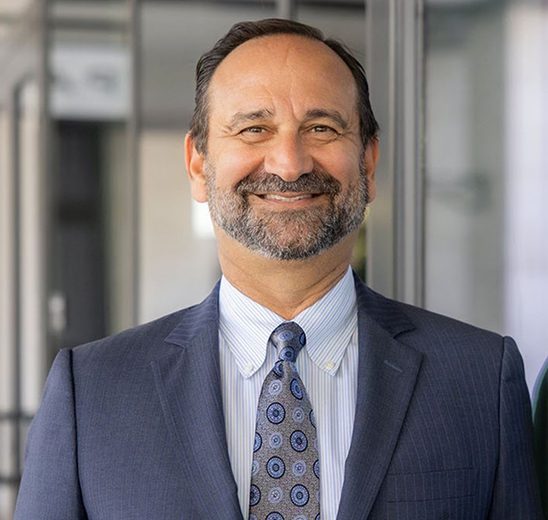
Attorney Michael Ehrenstein is a founding partner of the U.S. law firm Ehrenstein Sager, specializing in commercial law, complex litigation, and high-risk international arbitration.
Legal Disclaimer: This article does not constitute legal or tax advice. Its purpose is to raise awareness of U.S. compliance issues. Israeli businesses should consult qualified U.S. legal and tax professionals for advice tailored to their operations.