How Israel Should Work With a Divided Washington
This article was originally published on Makor Rishon in November 2026.
Israel should arrive in Washington with proposals that both the White House and Congress can evaluate – and defend. In my article, “How Israel Should Work With a Divided Washington,” I argue that Israel’s next prime minister should engage President Trump and Democratic congressional leaders early.
Israel’s next prime minister should use the first visit to Washington to sit down with President Donald Trump and with the Democratic leaders of the House and Senate. Whatever coalition takes office in Jerusalem will have to work with a Republican president and Democratic majorities on Capitol Hill.
The future of U.S. military aid is the first test. On the day of the midterms, Trump said the aid would end this year. The existing memorandum runs through fiscal year 2028 and calls for $3.8 billion a year in military financing and joint missile defense, subject to congressional appropriations. U.S. and Israeli officials have since told The Times of Israel that assistance is expected to continue in the coming years. A successor agreement is still being negotiated. Any new programs that require U.S. funding will need support on Capitol Hill.
The prime minister should ask the White House to convene the State Department and the Pentagon around a common agenda. Start with intelligence sharing on Iran, joint missile defense and a political plan for Gaza that protects civilians and prevents Hamas from rebuilding its military capacity. On the post-2028 agreement, Israel should put a proposal on paper that sets out which programs it can fund itself, where joint investment serves both countries and how the costs would be shared. That gives the administration something concrete to take to Congress.
Israel’s ambassador should brief the incoming leaders of the Appropriations and Foreign Affairs committees and their staff from both parties as the proposals take shape. Give them detailed estimates of what Congress would be asked to fund and what Israel would contribute, along with a clear account of what the programs would deliver for the United States. If a member asks who will pay for a joint program in three years, the embassy should be able to answer before the committee writes its bill. Address Senate scrutiny of arms transfers.
In the Senate, work with the Foreign Relations and Appropriations committees and meet directly with senators who have questioned arms transfers. In April, 40 senators supported bringing a resolution opposing a proposed arms sale to Israel out of committee. The motion fell short of a majority. The vote gives Jerusalem a reason to brief skeptical senators early on the purpose of proposed transfers, the safeguards governing their use and the steps Israel is taking to protect civilians and facilitate humanitarian access in Gaza.
When the White House and Congress disagree, Israeli officials should present the same facts and requests to both. If lawmakers propose a condition the administration opposes, Jerusalem should ask what problem the condition is meant to address and discuss with both sides whether reporting or other safeguards could resolve it. The prime minister should leave the argument between America’s parties to Americans.
Rebuild support beyond Washington
In a 2026 Pew Research Center survey, 74 percent of Americans aged 18 to 34 held an unfavorable view of Israel. Universities, employers and civic groups can give younger Americans direct experience of the relationship through joint research and exchanges. Independent civilian boards in both countries could publish evidence about where the partnership delivers and where it falls short. Their funding should be public, and they should be free to criticize either government. Both countries should also cooperate on threats against Jewish communities, whose safety deserves protection regardless of anyone’s views on Israeli policy.
The next Israeli government will have done its job if a senator can explain to constituents why a joint program serves the United States and an Israeli minister can explain to the Knesset what Israel is committing to it. That is how an agreement negotiated by today’s leaders earns the support it will need after they leave office.
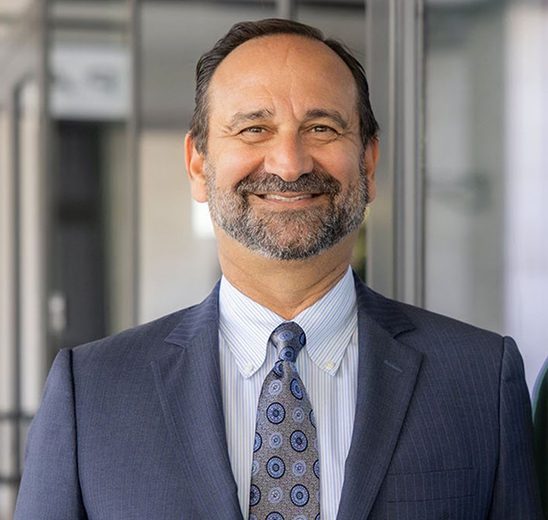
Michael Ehrenstein, Esq. is a founding partner at the U.S. law firm Ehrenstein | Sager, specializing in commercial law, complex litigation, and high-stakes international arbitration.
Legal Disclaimer: This article does not constitute legal or tax advice. Its purpose is to raise awareness regarding U.S. compliance issues. Israeli businesses should consult with qualified U.S. legal and tax professionals to receive advice tailored to their specific operations.